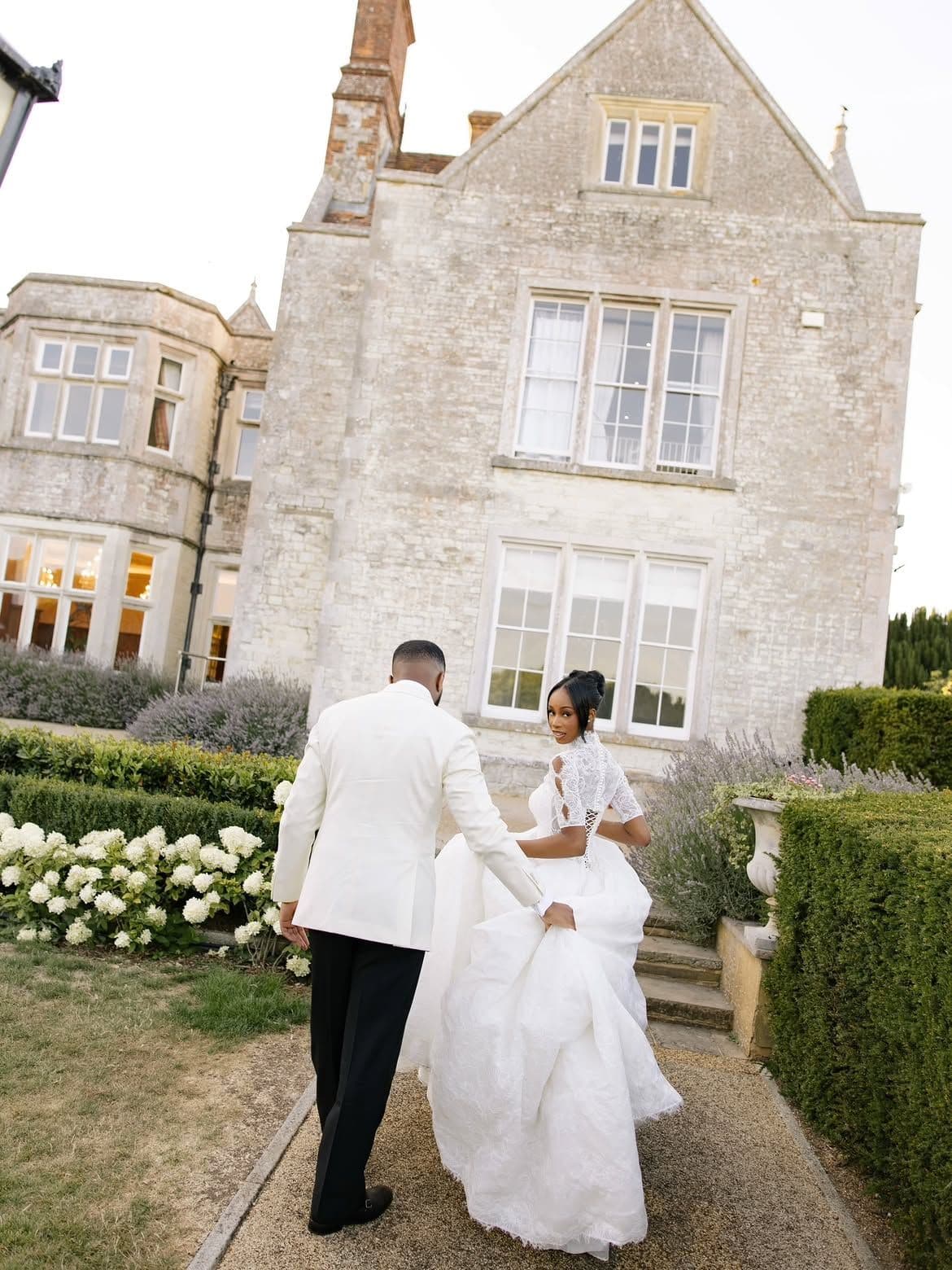
Dear Inawo
THE GRAND SPECTACLE VS. THE QUIET VOW
02:00 mins . by Odiase Amy . Oct 8th 26
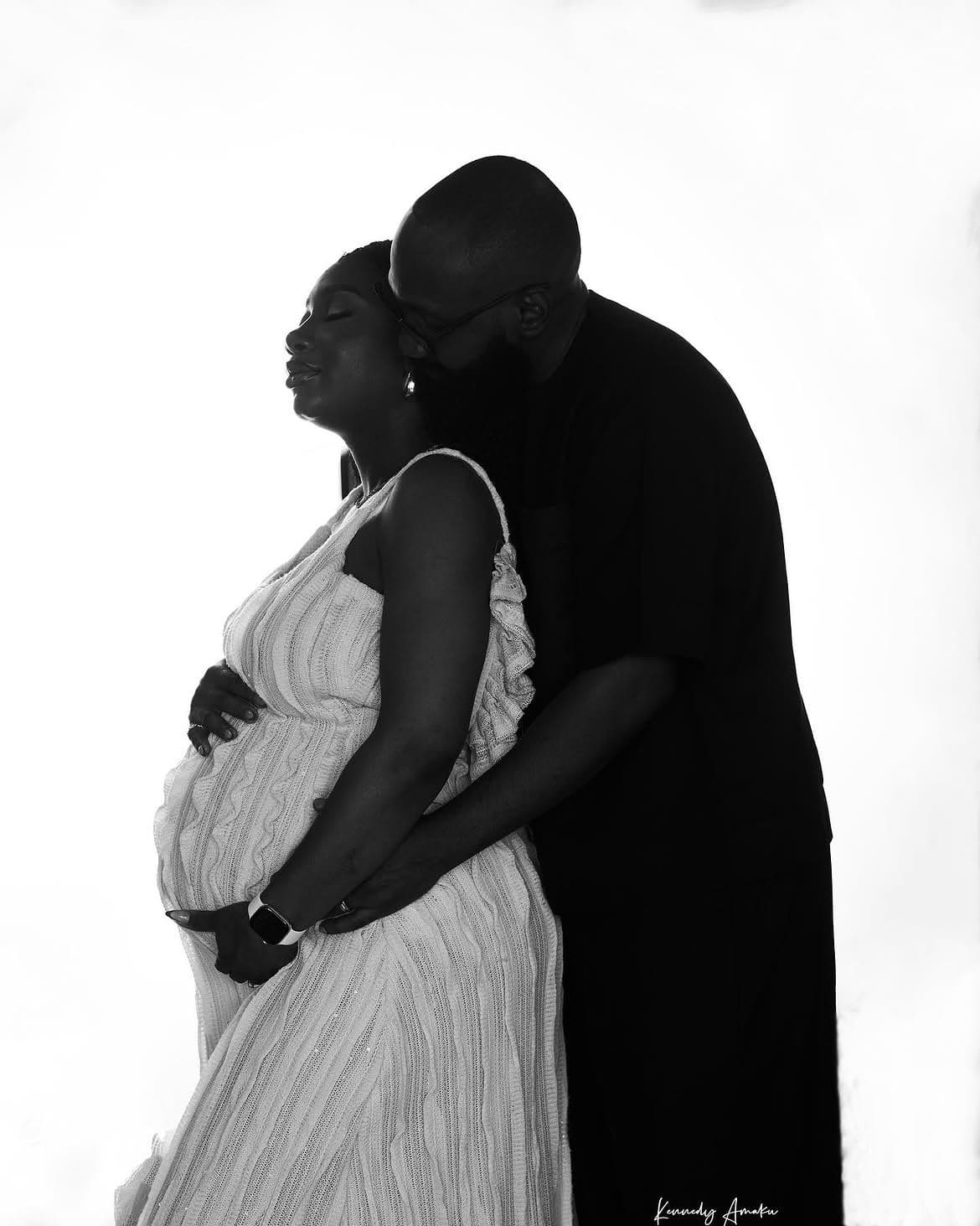
Photography: @kennedyamaku
There is a quiet, unspoken weight that settles into the room when two people who love each other realize they are envisioning two completely different weddings.
Imagine sitting across from your partner over coffee, laptops open, wedding Pinterest boards glowing side-by-side. On your screen sits an intimate mountain elopement, just the two of you, an officiant, a photographer capturing the morning light, and vows spoken softly into the wind. On their screen, however, is a royal court: a five-hundred-person guest list spanning three continents, custom-woven ceremonial attire, drumming troupes, multi-tiered stages, and an event hall capable of hosting an entire ancestral lineage.
It is easy to misinterpret this divide as a conflict of values. One partner feels overwhelmed by the sheer scale, noise, and financial weight of a massive production; the other feels that a private elopement strips away the sacred cultural storytelling, communal blessing, and family honor inherent to their identity.
When your partner wants a massive cultural celebration and you crave an intimate elopement, you aren't just choosing a venue, you are navigating identity, family duty, and emotional comfort. Here is how to bridge the gap without either of you feeling compromised.
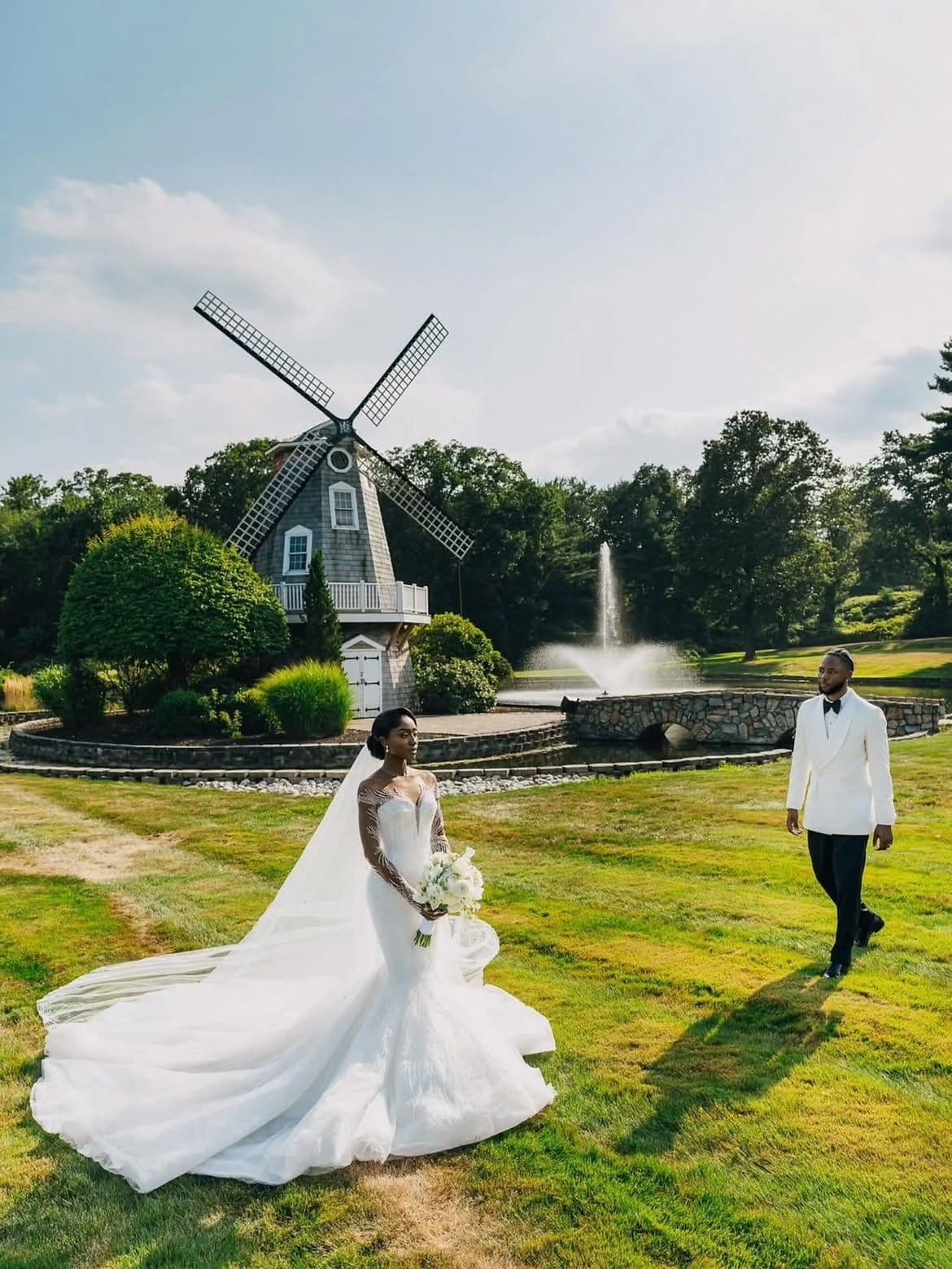
The Two-Part Solution: Splitting the Celebrations
The most elegant resolution to this dilemma lies in decoupling the exchange of promises from the party. Instead of forcing a single day to carry two opposing ideals, forward-thinking couples are splitting their celebrations into two distinct chapters:
- Chapter One: The Intimate Sanctuary. You exchange your core marital vows in complete privacy, whether on a remote cliffside, at a boutique city sanctuary, or during a private dawn ceremony with only immediate witnesses. This satisfies the need for deep, uninterrupted emotional intimacy, allowing both partners to be fully present without the performance anxiety of a crowd.
- Chapter Two: The Grand Cultural Gala. At a later date, you host the full-scale cultural extravaganza, complete with traditional attire swaps, family rituals, live music, and communal banquets. Because you have already shared your personal vows in quiet isolation, you can enter the grand reception not as an overwhelming obligation, but as an energetic celebration of your culture and community.
By separating the sacred emotional core from the festive cultural spectacle, both partners receive the exact experience they need to feel honored.
Finding True Middle Ground Without Resentment
A successful compromise is not about fifty-fifty sacrifices where both people walk away feeling diminished; it is about intentional curation.
To protect both partner’s emotional well-being:
- Identify Non-Negotiables: Sit down with index cards. Each partner lists their top three absolute must-haves. For the partner seeking a private wedding, it might be writing personal, unedited vows and having an uninterrupted couple's portrait session. For the partner championing a cultural spectacle, it might be performing traditional entrance dances, honoring elders with custom fabrics, or serving specific heritage delicacies.
- Protect the Boundaries of the Intimate Moment: If you agree to a split celebration, treat the private vow exchange as sacred ground. Do not allow planning details from the grand reception to bleed into or overshadow the quiet intimacy of your private ceremony day.
Managing Parental Expectations and Scale
In many vibrant cultures, a wedding is rarely just about the two people getting married, it is a communal milestone, an expression of gratitude to elders, and a public statement of family continuity. When parents hear the word "elopement," they often hear "rejection of family and tradition."
Navigating this requires proactive empathy and firm boundaries:
- Reframe the Narrative Early: When speaking with parents and elders, position the split celebration as an expansion rather than a reduction. Explain that your private ceremony allows you to focus on the gravity of your vows, while the grand reception is dedicated entirely to honoring them, their heritage, and their community.
- Delegate Cultural Ownership: Give enthusiastic parents leadership roles in planning the cultural reception. Allowing family elders to curate traditional music, ceremony rites, or catering menus gives them a sense of pride and investment, keeping the scale and energy where it belongs, in the grand party.
Strategic Budget Allocation Across Split Events
Hosting two distinct events sounds financially intimidating at first glance, but strategic budgeting allows you to maximize impact without doubling costs.
For the intimate elopement and vow exchange, your financial focus should center on personal luxuries, investing in high-end photography, luxury private lodging, bespoke attire, and an exquisite fine-dining experience. You save significantly here by completely bypassing venue rental fees by utilizing natural landscapes, while keeping guest-related catering costs close to zero.
For the grand cultural reception, channel your funds into high-impact communal elements: securing a high-capacity venue, large-scale authentic catering, rich traditional decor, and vibrant live entertainment. To offset these costs, you save by skipping expensive formal ceremony setups, elaborate floral aisle arrangements, or costly printed invitation suites that would otherwise be required for a traditional full-day ceremony.
By channeling funds directly into what makes each event special, you create a seamless, high-impact celebration where both your personal romance and your shared heritage take center stage.
NEXT READ
When In-Laws Turn Your Family...

Plan Your Dream Wedding with Ease
Give your wedding the unique experience it deserves