The Journal
TWO WORLDS, ONE AISLE
02:00 mins . by Odiase Amanda . Sep 2nd 26
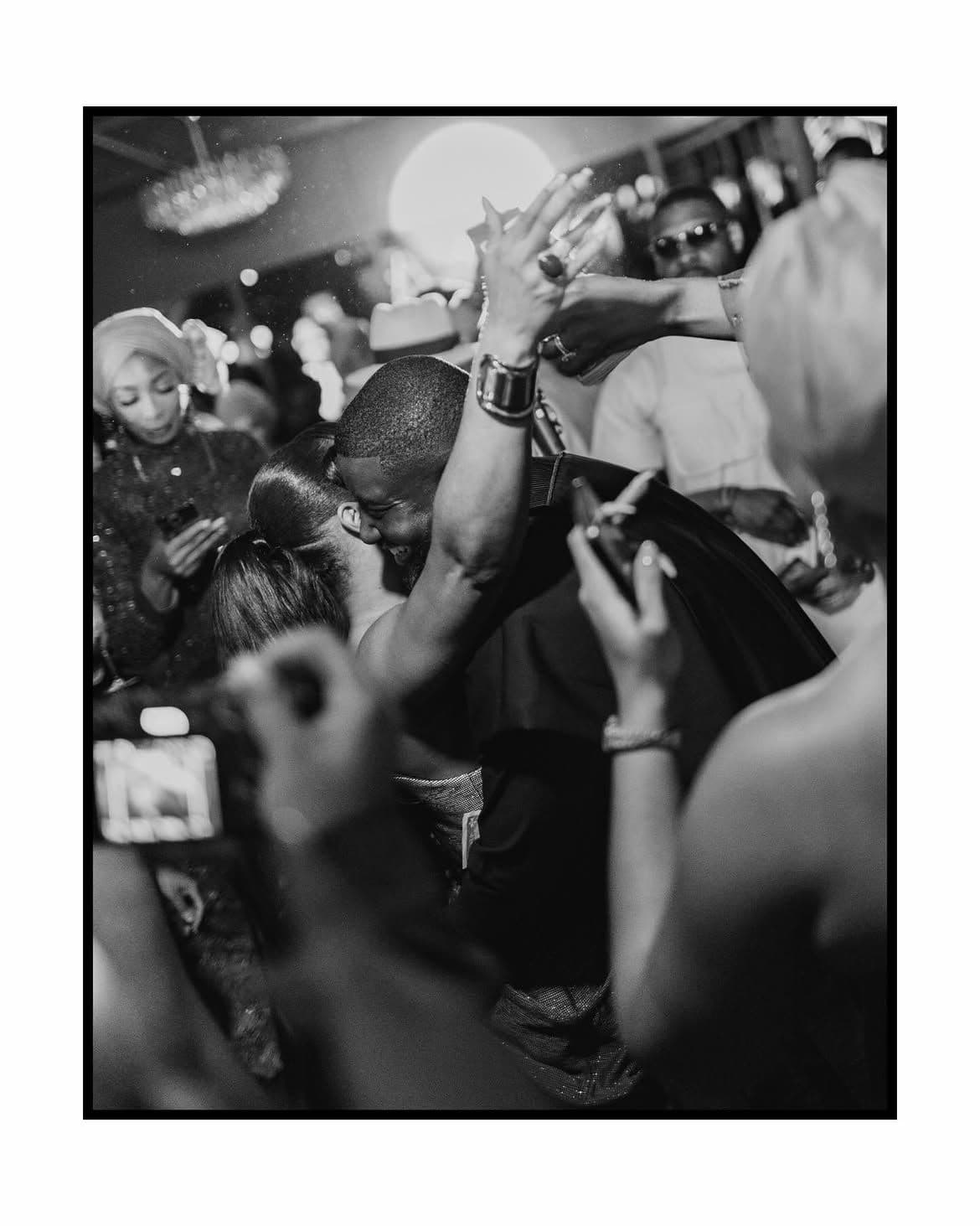
lolaabudd and patrickmlavery
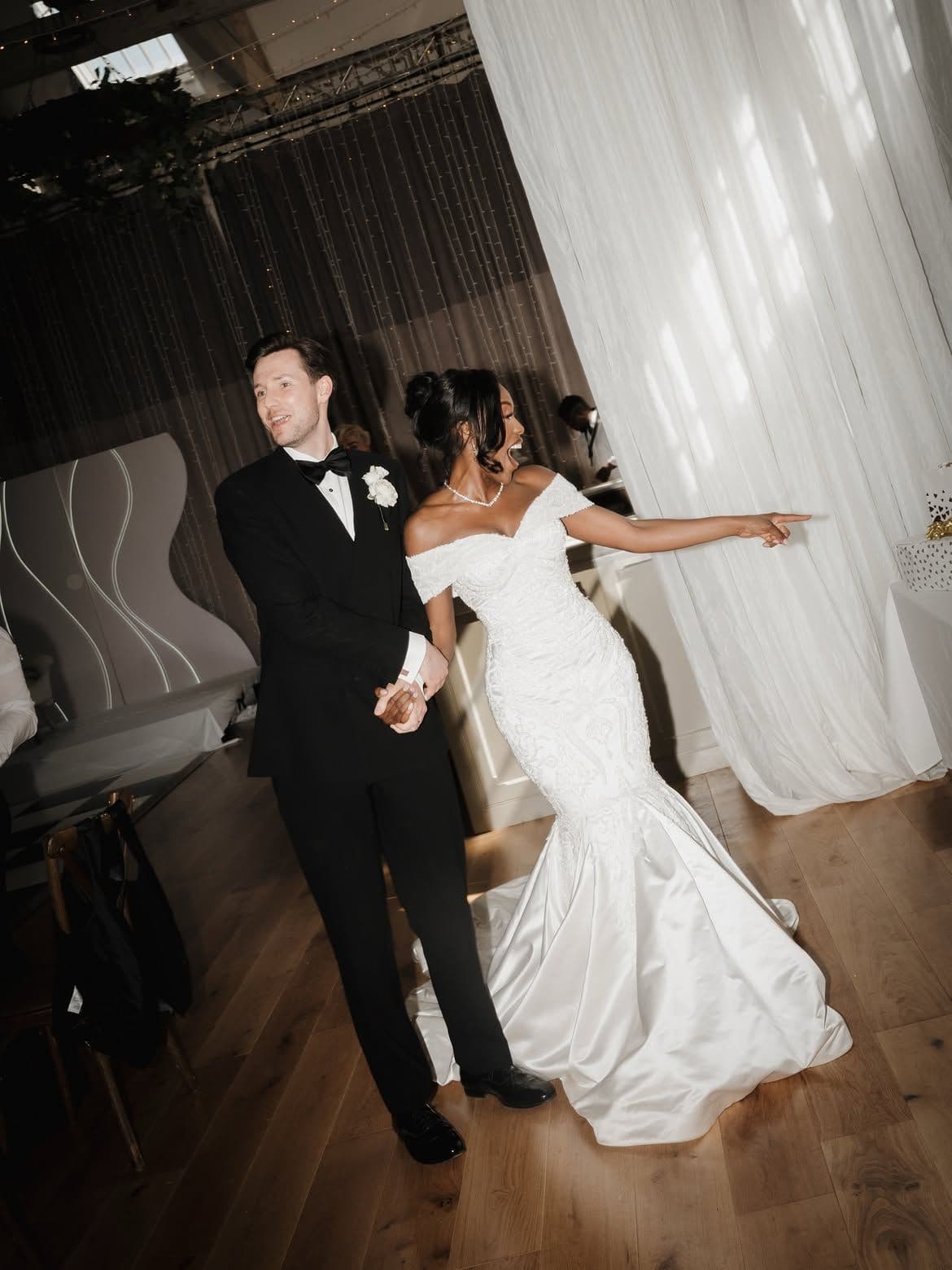
When a couple walks down the aisle, two lives merge. But when an African partner whether Nigerian, Ghanaian, or Kenyan marries across racial or international lines, that aisle becomes a bridge between two entire ecosystems. It is a space where centuries of ancestral heritage, communal expectations, and deep-seated traditions collide with individual desire, modern romance, and western notions of privacy.
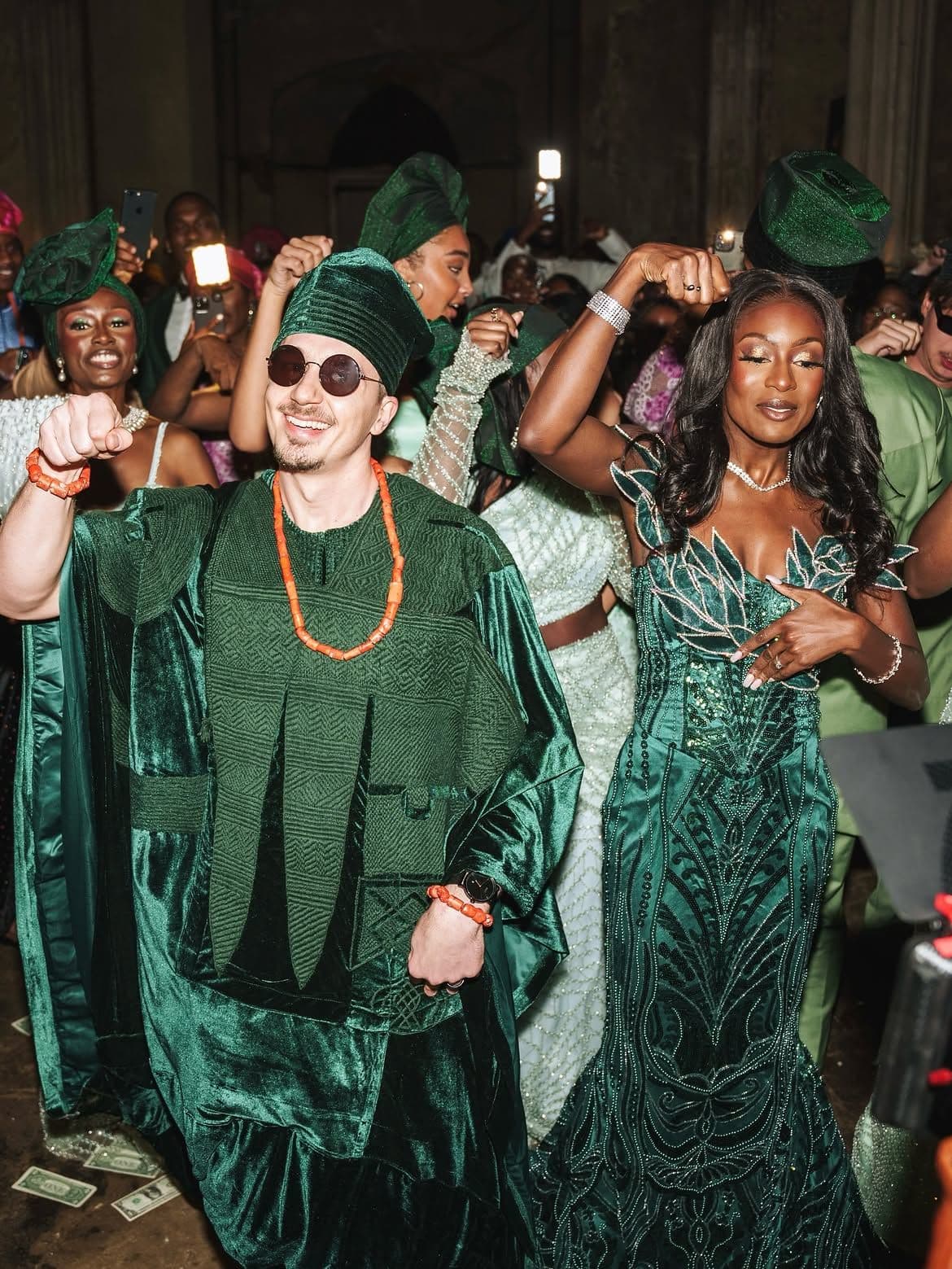
In popular culture, interracial love is often depicted as a glossy, seamless triumph, a visual celebration of global unity wrapped in vibrant Ankara prints, tailored tuxedos, and viral social media clips. But ask any couple living that reality, and they will tell you the truth: the wedding day is merely the grand finale of a complex, highly detailed negotiation.

The real work lies in the quiet, unglamorous diplomacy required to build a shared life while honoring where you come from.
The Myth of the "Simple" Union
In many Western societies, marriage is primarily framed as an individual union, a private agreement between two people in love. The focus remains tightly fixed on the nuclear unit, personal autonomy, and individual decision-making. In the African context, however, marriage is fundamentally communal. You do not simply marry your partner; you marry their lineage, their extended family, and their cultural history.
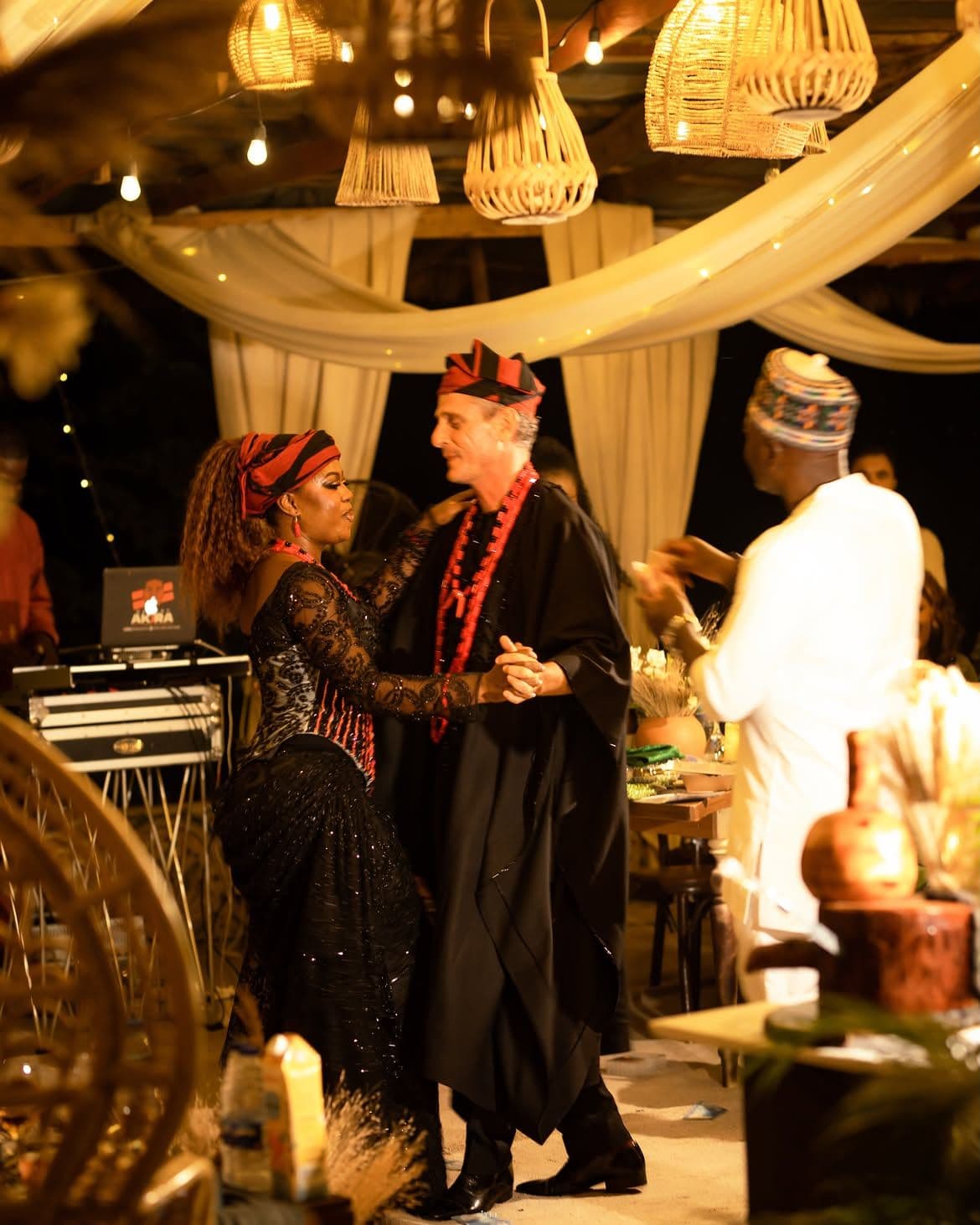
When introducing an international or non-African partner into this dynamic, the initial friction rarely stems from malice. More often, it comes from a place of deep-seated cultural self-preservation. Elders may worry about the erosion of native language, the loss of sacred rites, or the sheer challenges of navigating generational communication across distinct cultural vernaculars. For the non-African partner, the sheer scale of African familial involvement where extended aunts, uncles, and family friends hold legitimate decision-making power can feel overwhelming, if not entirely invasive.
"When Liam and I got engaged, my British in-laws were planning a quiet 60-person garden wedding in Sussex, while my mother in Lagos was already sending me draft guest lists of 400 people," laughs Teni, a Nigerian communications consultant who married her English husband in 2024. "Liam thought my family was trying to overrun our wedding. I had to explain that in Yoruba culture, cutting out an auntie isn't just a budget decision, it’s seen as a severance of familial ties. Once he understood the underlying respect behind the headcount, we stopped arguing about numbers and started talking about structure."
Bridging this gap requires shifting the perspective from compromise to active education. The most resilient couples do not ask one side to forfeit their culture; instead, they treat their differences as a shared library, patiently teaching each other the nuances behind the rituals rather than expecting instant comprehension.
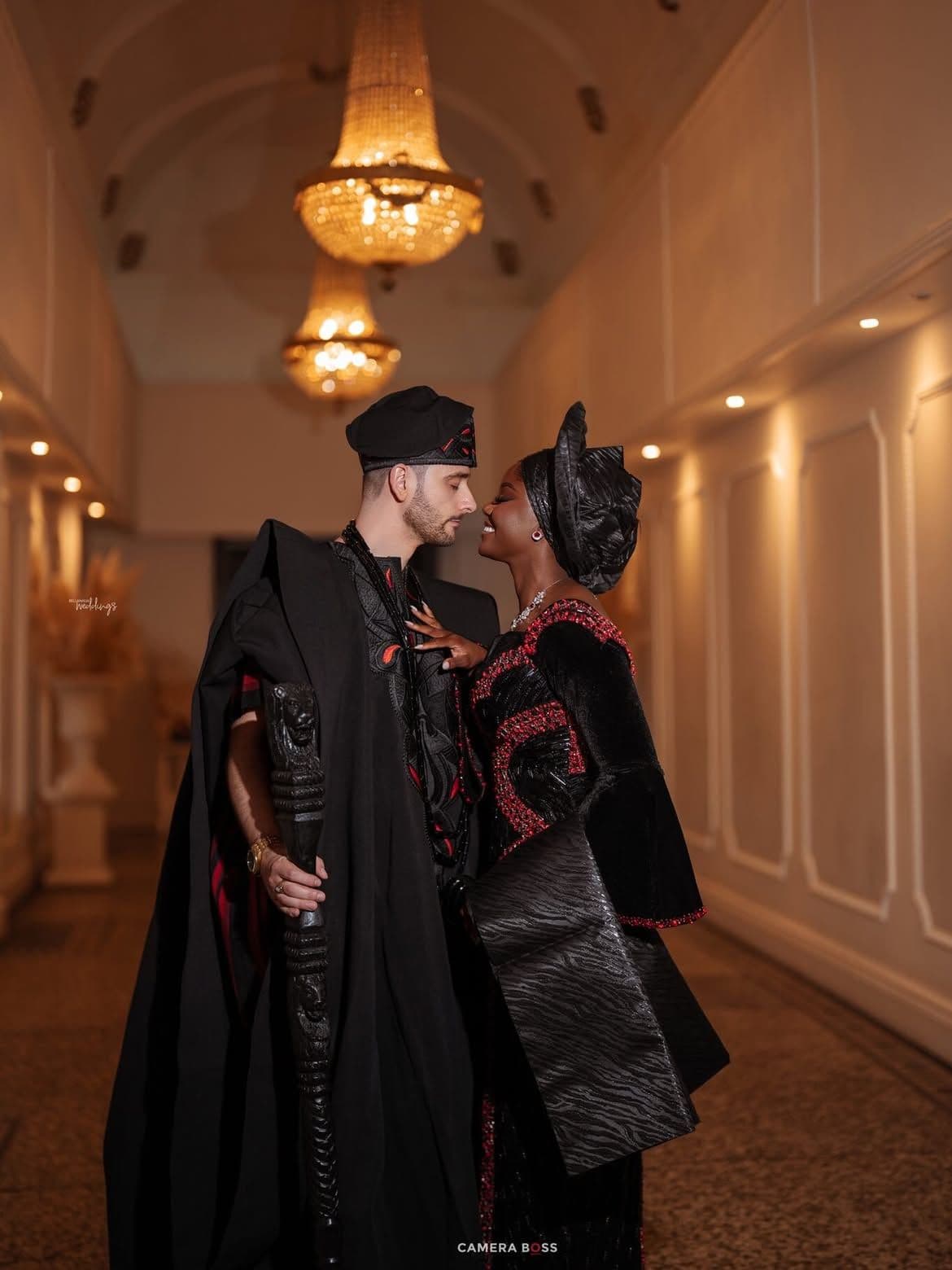
The Project Management of Tradition: Navigating Rites & Expectations
For couples planning an interracial African wedding, project management takes on a whole new meaning. From the Nigerian Eru Iyawo or Igba Nkwu to traditional dowry negotiations, these customs are packed with symbolic meaning that can easily be misconstrued by an outsider family as transactional or archaic if left unexplained.
- Demystifying the Rites Early: Anxiety thrives in uncertainty. Couples who navigate this phase best create clear, open channels of communication long before the wedding week. Explaining why money is sprayed (a symbol of blessing, prosperity, and joy, not ostentation) or why traditional bridal gifts are requested transforms potential anxiety into active participation.
- The High-Stakes Vendor Selection: Finding vendors who understand cross-cultural nuances is one of the most critical logistical hurdles. It is not just about hiring a wedding planner; it is about finding a team that knows how to properly prep multi-cultural dishes without diluting authentic flavors, or a DJ who understands how to transition seamlessly from Afrobeats to Western pop without killing the energy on the dance floor.
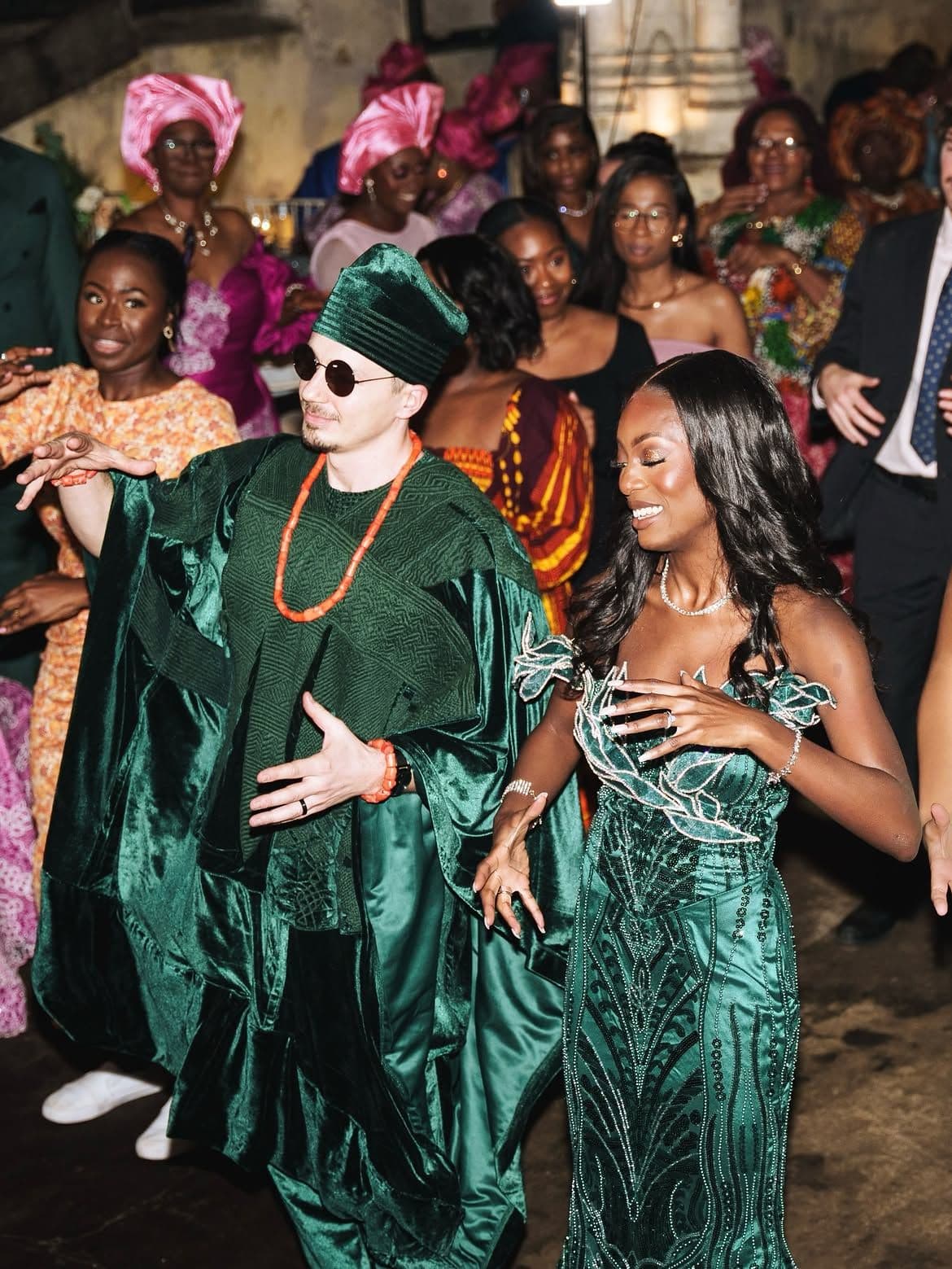
- Designing the Hybrid Celebration: Many couples opt for a dual-celebration model: a full traditional ceremony grounded in heritage, followed by a contemporary white wedding or reception. The goal isn't to dilute either event, but to give each culture its own dedicated stage to shine without forcing an uncomfortable blend into a single afternoon.
- Redefining Guest List Etiquette: Balancing an intimate Western guest list of 80 people with an African family's expectation of 400 guests is a classic pain point in The Journal. Setting realistic boundaries early and designating specific events for larger communal attendance prevents extreme financial strain and hurt feelings across both families.
"The turning point for us was our traditional Igbo ceremony," shares Marcus, an African-American architect who married his Nigerian bride, Chidimma. "I was terrified of messing up the protocol during the wine carrying rite. But Chidimma’s family made a point to walk my parents through every single step weeks before. On the day, when I presented the kola nut, my father-in-law pulled me in for a hug in front of everyone. It transformed what could have been an awkward cultural exam into a genuine moment of inclusion."
Practical Diplomacy for the Modern Bride and Groom
The planning phase of an interracial wedding serves as an immediate stress test for the marriage itself. How a couple handles family pressure, budget allocations, and cultural misunderstandings during wedding planning directly reflects how they will handle long-term life decisions together.
Establish the "Third Culture": Beyond the music, the Jollof rice, and the multi-day outfit changes lies the everyday reality of building a home. A successful interracial marriage demands that a couple actively create a third culture—one that belongs uniquely to them, taking the best elements of both worlds while discarding rigid expectations that no longer serve them.
Assign Cultural Liaison Roles: Rather than letting a partner struggle through awkward conversations with their new in-laws, each partner must act as the primary buffer and translator for their own family. If an issue arises regarding traditional protocols or guest lists, the native partner takes the lead in managing expectations gently but firmly.
Present an Unshakable Front: In cross-cultural unions, unsolicited advice from extended family is guaranteed. When decisions are made, whether about venue choices, religious ceremonies, or budget limits, they must always be presented to family as a joint, immovable decision made by the couple together.
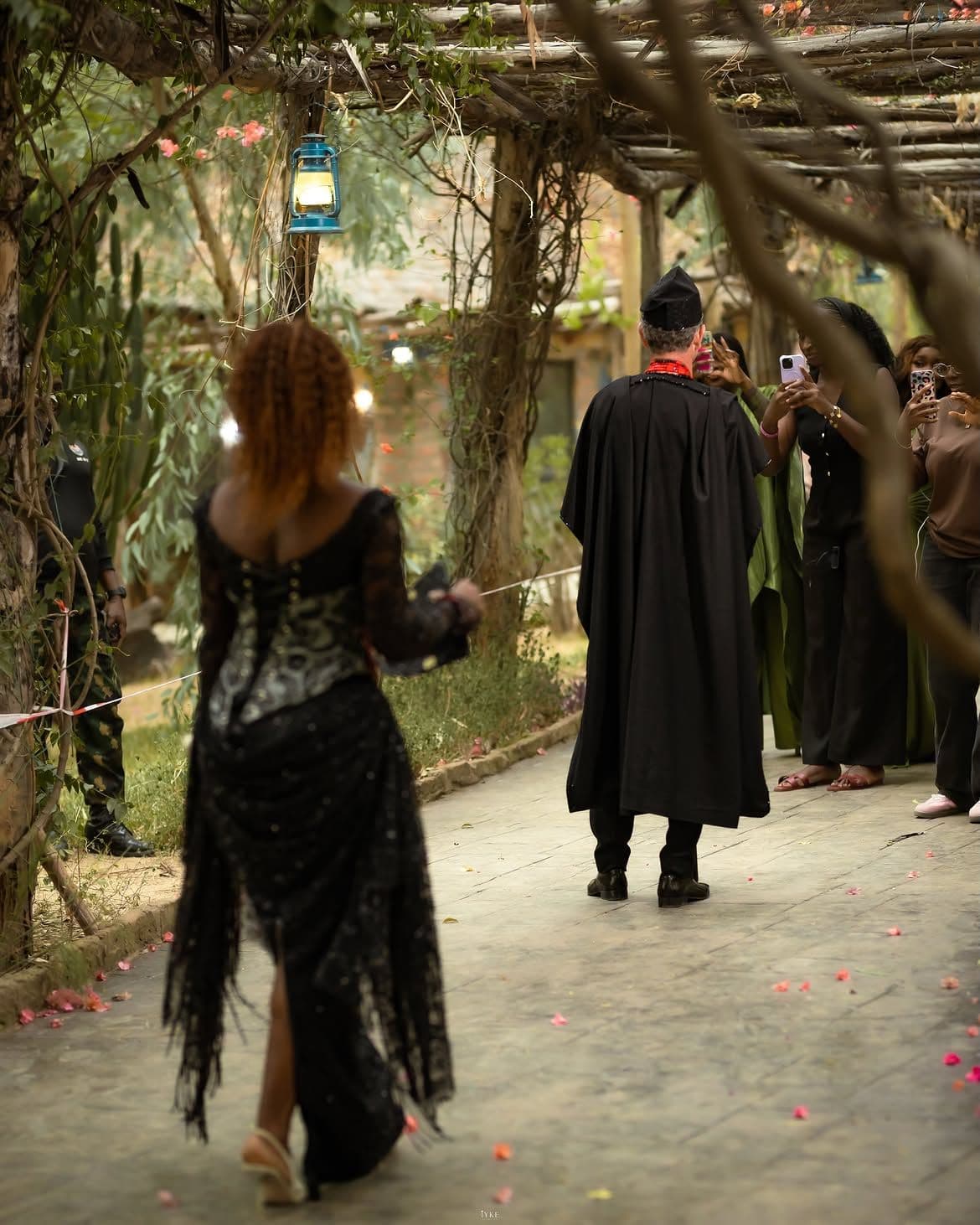
Beyond the Wedding Day
Ultimately, cross-cultural love is an exercise in expansive empathy. An interracial African wedding should not be treated as a performance of diversity, but as a deliberate, joyful declaration that two distinct lineages have chosen to expand together. It proves that while our heritage gives us our roots, our capacity for open-minded love is what truly gives us our reach.
NEXT READ
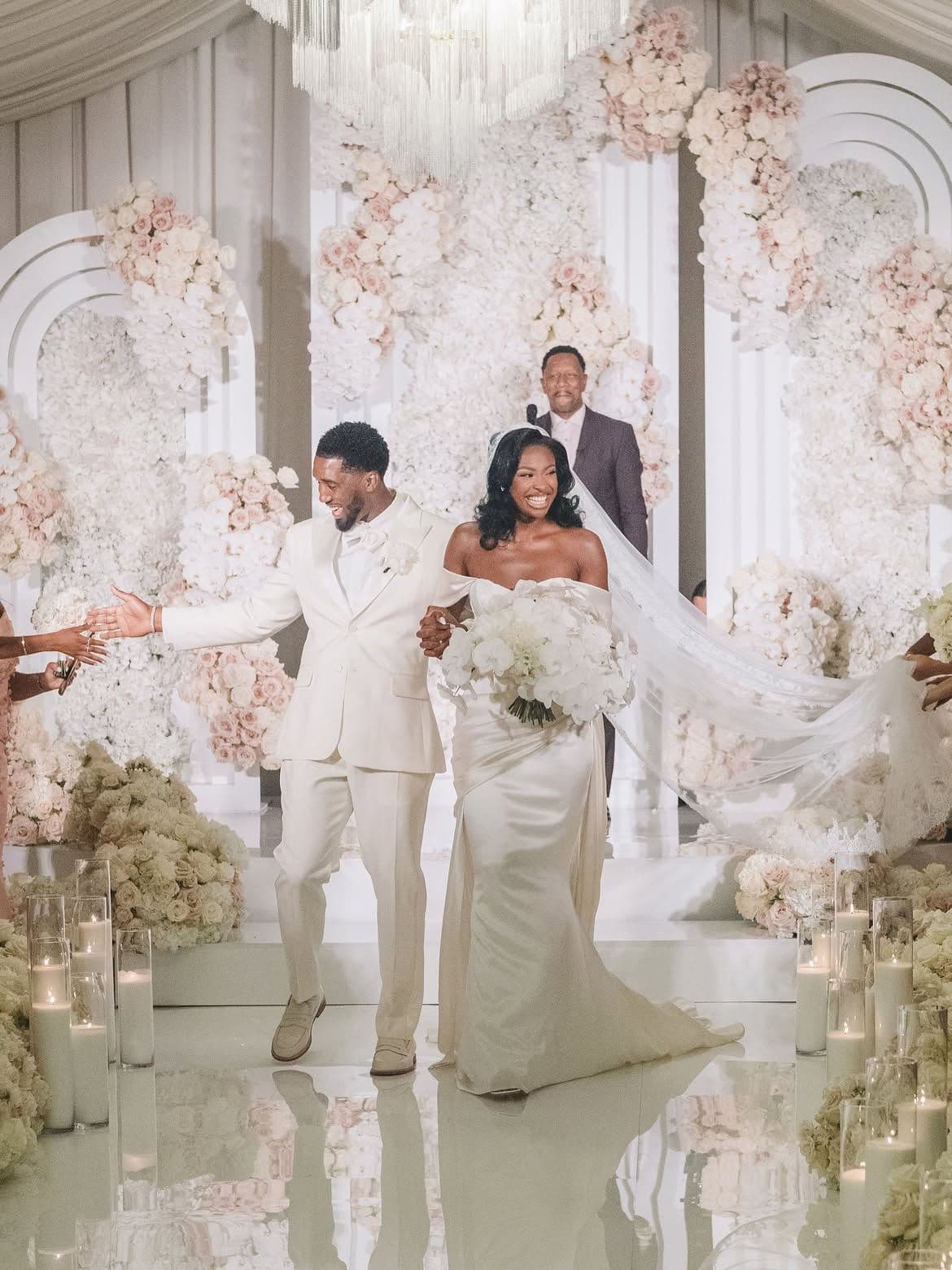
My In-Laws Want to Invite...
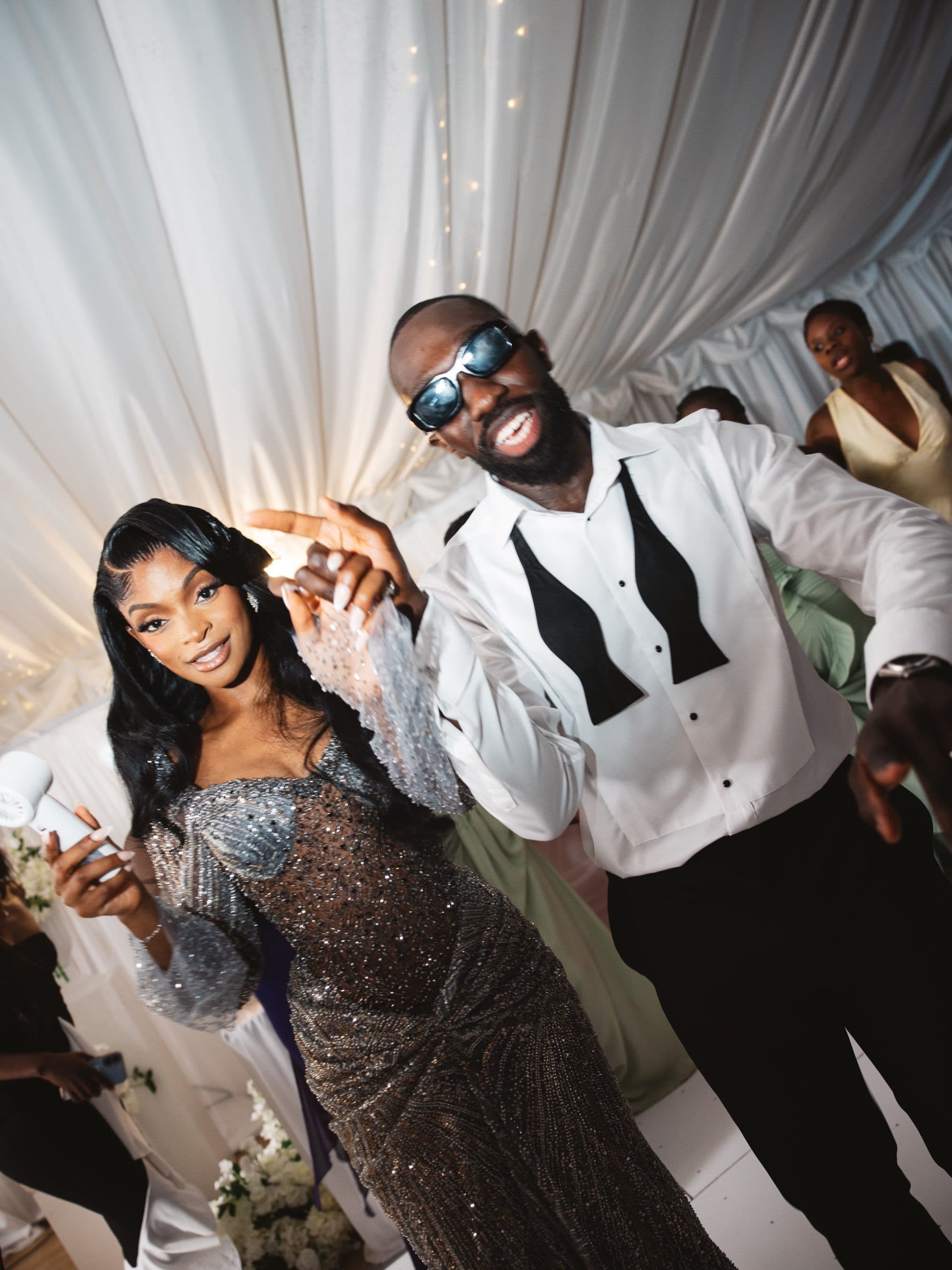

Plan Your Dream Wedding with Ease
Give your wedding the unique experience it deserves