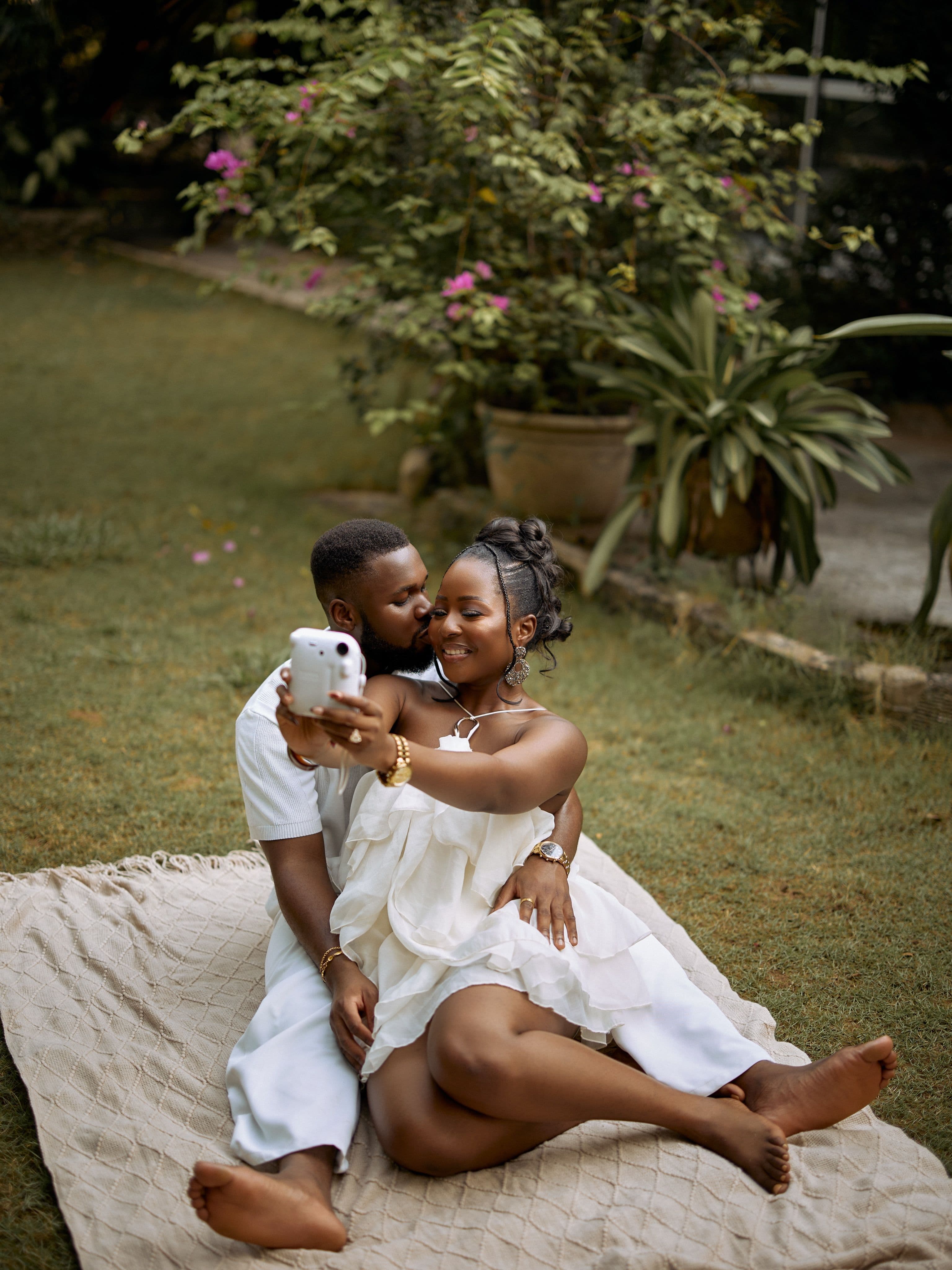
We grow up with distinct narratives about how love is supposed to look. For some, it is grand cinematic gestures, handwritten notes, and swept-off-your-feet romance; for others, it is steady presence, acts of service, and practical commitment. When two people come together to plan a wedding and build a life, they often discover that they aren't just bringing two hearts into the room, they are bringing two completely different expectations of what love and marriage actually mean.
Navigating these subtle differences in narrative can feel daunting during the engagement season, but bridging them is where true intimacy begins. Here is how real couples navigate these differences to weave a life together.
1. Navigating Different Ideas of Romance and Marriage
It is easy to assume that because you have chosen each other, you naturally hold identical definitions of "romance" or "marriage". However, our expectations are shaped by our upbringing, family dynamics, past experiences, and personal values.
Real Life Perspective:
"I grew up thinking romance meant spontaneous weekend trips and grand public declarations," shares Tolu, married to Kemi for three years. "Kemi, on the other hand, felt loved when I made sure her car tank was full or brought her favorite snack after a tough shift. It took us a while to realize neither was wrong, we were just reading from different scripts."
- Reframe the Difference: Having contrasting ideas doesn't mean you are incompatible; it simply means you bring distinct flavors to the relationship.
- Start the Conversation: Talk openly about what marriage meant in the households you grew up in versus what you want your own home to feel like.
- Bridge the Gap: Realize that one partner’s definition of romance is just as valid as the other’s.
2. When One Partner Is More Traditional Than the Other
Bridging cultural or generational tradition with modern sensibilities is one of the most common dynamics engaged couples face. One partner may dream of traditional wedding customs, formal roles, or deeply rooted rituals, while the other leans toward modern flexibility and contemporary lifestyle choices.
Real Life Perspective:
When Emeka and Amina were planning their traditional wedding rites and main ceremony, tensions arose over cultural expectations. "Emeka’s family wanted strict adherence to every traditional customs protocol, while I wanted a sleek, minimalist ceremony," Amina recalls. "We had to sit down and ask: 'What does this tradition actually honor?' Once we saw it was about honoring family respect, we blended traditional rites for the elders with a modern reception that felt like us."
- Find the "Why": Ask your partner why a particular tradition matters to them. Often, tradition is less about rigid rules and more about honoring heritage or family connection.
- Create Custom Hybrids: Honor traditional elements during key moments while embracing modern touches in others.
- Focus on Mutual Respect: Compromise in marriage isn't about one person "winning", it’s about crafting a celebration and a life where both partners feel seen and respected.
Understanding Different Ways of Expressing Love
You might be waiting for a passionate declaration of love, while your partner believes they expressed it by making sure your home is running smoothly. Learning to translate each other’s unique love languages is critical.
Real Life Perspective:
Nnamdi felt disconnected early in his marriage because his wife, Zainab, rarely wrote emotional notes or voiced romantic affirmations. "One day during a stressful week, I noticed she had quietly organized my entire home office and cooked my favorite comfort meal," Nnamdi reflects. "I realized that was her sweetest 'I love you.' Once I stopped looking for my own love language and started recognizing hers, everything changed."
- Recognize Silent Expressions: Expressions of love extend far beyond spoken words. Look for quiet gestures: acts of care, deep listening, consistent support, or shared quality time.
- Learn to Translate: Instead of wishing your partner expressed love the exact way you do, learn to spot how they naturally show it.
- Express Your Needs Gently: Share what makes you feel loved without criticizing how they currently express it.
4. Building a Shared Story Without Losing Individuality
The goal of marriage is not to erase your individual identities to fit into a single, uniform mold. The strongest relationships are built by two distinct individuals who choose to walk side by side, creating a shared story while holding space for personal growth.
Real Life Perspective:
"When we got married, everyone expected us to do everything together," says Funke, who has been married to Chidi for five years. "Chidi is an avid tech innovator and athlete, while I am deeply immersed in community art and writing. Keeping our individual creative outlets didn't pull us apart, it gave us fresh, inspiring things to share every evening at dinner."
- Protect Personal Passions: Maintain your individual interests, friendships, and goals alongside your shared commitments.
- Write a New Chapter: You aren't forcing your partner into your existing story, nor are you surrendering to theirs. Together, you are co-authoring a brand-new narrative.
- Celebrate Your Uniqueness: Your differences keep the relationship vibrant, grounded, and balanced.
The Takeaway: You don't need to start with the exact same story to write a beautiful life together. The beauty of love lies in learning to appreciate, blend, and honor the distinct narrative your partner brings to the table.
NEXT READ

Oluwatosin Abejide of House of...


Plan Your Dream Wedding with Ease
Give your wedding the unique experience it deserves