Etiquette
THE ART OF MULTI-HERITAGE HOSPITALITY
02:00 mins . by Odiase Amy . Sep 17th 26
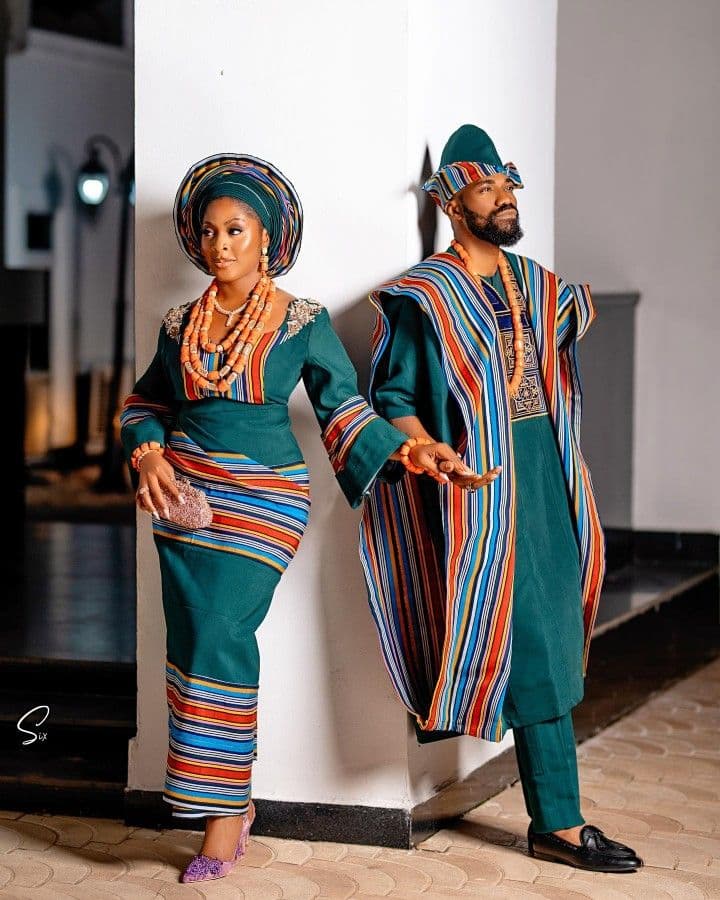
Photo: pinterest
The lobby of the boutique hotel on Victoria Island was bathed in late-afternoon sunlight, but the air inside was thick with hesitation.
Adewale, the head of guest experience, watched as a newly arrived couple approached the desk. The husband, born and raised in London to Nigerian parents, carried himself with crisp British formality. His wife, raised in Kyoto, held a subtle, reserved grace, her hands folded neatly over her purse. They were arriving for a multi-day family celebration that brought together relatives from three continents.
As the desk host stretched out a hand for a firm, enthusiastic handshake, the bride instinctively bowed. The host, caught off guard, froze mid-gesture, hesitated, and then awkward laughter filled the space. It was a minor misstep, completely harmless on the surface, but it revealed a deeper, unexpressed tension that every multi-heritage traveler knows well: Will this space actually understand who we are, or will we have to choose which half of ourselves to leave at the door?
Adewale stepped in smoothly, offering a warm, grounded greeting that acknowledged both traditions without turning either into a spectacle. In that brief exchange, the entire room settled.
That subtle art, creating spaces where distinct cultural heritages don't merely coexist, but actively honor one another, is the new frontier of global hospitality. We call it Cultural Fusion Hospitality.
The Rise of the Multi-Heritage Guest
For decades, the luxury hospitality industry relied on a standardized model of "universal elegance": plush carpets, European fine dining, neutral color palettes, and western-trained concierges. If local culture was introduced, it was often relegated to decorative accents in the lobby or a themed performance on a Thursday evening.
Today’s global traveler defies those monolithic categories. Modern families are increasingly multi-ethnic, diaspora-driven, and multi-generational. A single dinner table at a luxury resort might host a grandmother who speaks only Yoruba, a father who grew up in Atlanta, and children raised in Dubai.
For these guests, standard hospitality feels sterile, while heavy-handed cultural stereotyping feels patronizing. They do not want a generic experience, nor do they want to be placed in an aesthetic box. They seek thoughtful, intelligent environments that understand the nuanced intersections of their lives.
Anatomy of Cultural Fusion Hospitality
True fusion in hospitality is not about cluttering a space with diverse artifacts or offering an endless fusion menu that tries to be everything at once. It is an intentional design philosophy anchored in three core pillars:
1. Intuitive, Context-Aware Service
Hospitality staff must be trained beyond basic etiquette into the realm of cultural emotional intelligence. Understanding non-verbal communication, such as boundaries around personal space, eye contact, greeting customs, and subtle cues of respect across different generations, allows service to feel bespoke rather than script-driven. It is the ability to read a room and adapt fluidly to the guests in front of you.
2. Gastronomy as a Bridge, Not a Clash
Culinary experiences are often where heritage clashes or celebrates most vividly. Rather than serving disjointed dishes side-by-side or forcing awkward culinary mashups, elevated fusion hospitality curates menus around shared techniques and complementary flavor profiles.
Imagine a breakfast spread where rich, traditional Swahili spiced tea sits beside delicate Japanese matcha, or a dinner menu that respects strict halal or vegetarian dietary traditions while showcasing bold, ancestral West African spices. The goal is to make every guest feel catered to with dignity, never treated as an inconvenience.
3. Design That Tells Interwoven Stories
Architectural and interior design in fusion properties avoids cliché. Instead of surface-level motifs, spaces incorporate natural, locally sourced materials, such as hand-loomed textiles, reclaimed timber, and artisanal ceramics, that tell stories of trade routes, migration, and cultural dialogue. The visual language is quiet, layered, and deeply respectful of the environment it inhabits.
The Evening at the Courtyard
Later that night, Adewale observed the couple from the lobby sitting in the hotel’s central courtyard.
The hotel team had subtly tailored their evening experience. On their table sat a custom tea service featuring roasted Japanese green tea served alongside delicate, cardamom-infused West African pastries. The background playlist blended acoustic string arrangements of traditional highlife with quiet, ambient instrumental melodies.
The couple wasn't just staying at a hotel; they were occupying a space that felt like an extension of their personal story, a place where neither partner had to explain or diminish their heritage to feel completely at home.
The Sanctuary of Belonging
At its core, hospitality has always been about offering refuge to the traveler. But in an increasingly interconnected world, the nature of that refuge has changed.
Guests are no longer just looking for a soft bed or a picturesque view; they are searching for spaces that validate their complex, beautiful identities. When hospitality operators master the art of cultural fusion, they do more than deliver great service, they build sanctuary, connection, and a true sense of belonging for the modern world.
NEXT READ

When Budgets Clash in Paradise


Plan Your Dream Wedding with Ease
Give your wedding the unique experience it deserves